-
 Continue reading →: What an AI-Native Workflow Really Looks Like in Practice
An AI native workflow is often imagined as a futuristic system where automation replaces most human effort. Marketing narratives suggest seamless pipelines driven by intelligent agents, with people supervising from a distance. In real organizations, however, AI-native workflows look far more grounded. They are not defined by total automation. They…
-
 Continue reading →: How Teams Actually Adopt AI (And Why It’s Slower Than You Think)
AI adoption in teams is often described as a straightforward upgrade: introduce a powerful tool, train employees briefly, and watch productivity rise. In reality, team adoption is a slow, uneven process shaped by habits, trust, and organizational structure. Many leaders assume that technical capability automatically translates into behavioral change. But…
-
 Continue reading →: The Hidden Cost of Context Switching in AI-Driven Workflows
AI context switching is quietly becoming one of the biggest productivity drains in modern workplaces. While AI tools promise speed and efficiency, many teams experience the opposite: fragmented attention, scattered workflows, and a growing sense that work is busier but not necessarily better. The problem is not the technology itself.…
-
 Continue reading →: Why Most AI Productivity Advice Ignores How Work Really Happens
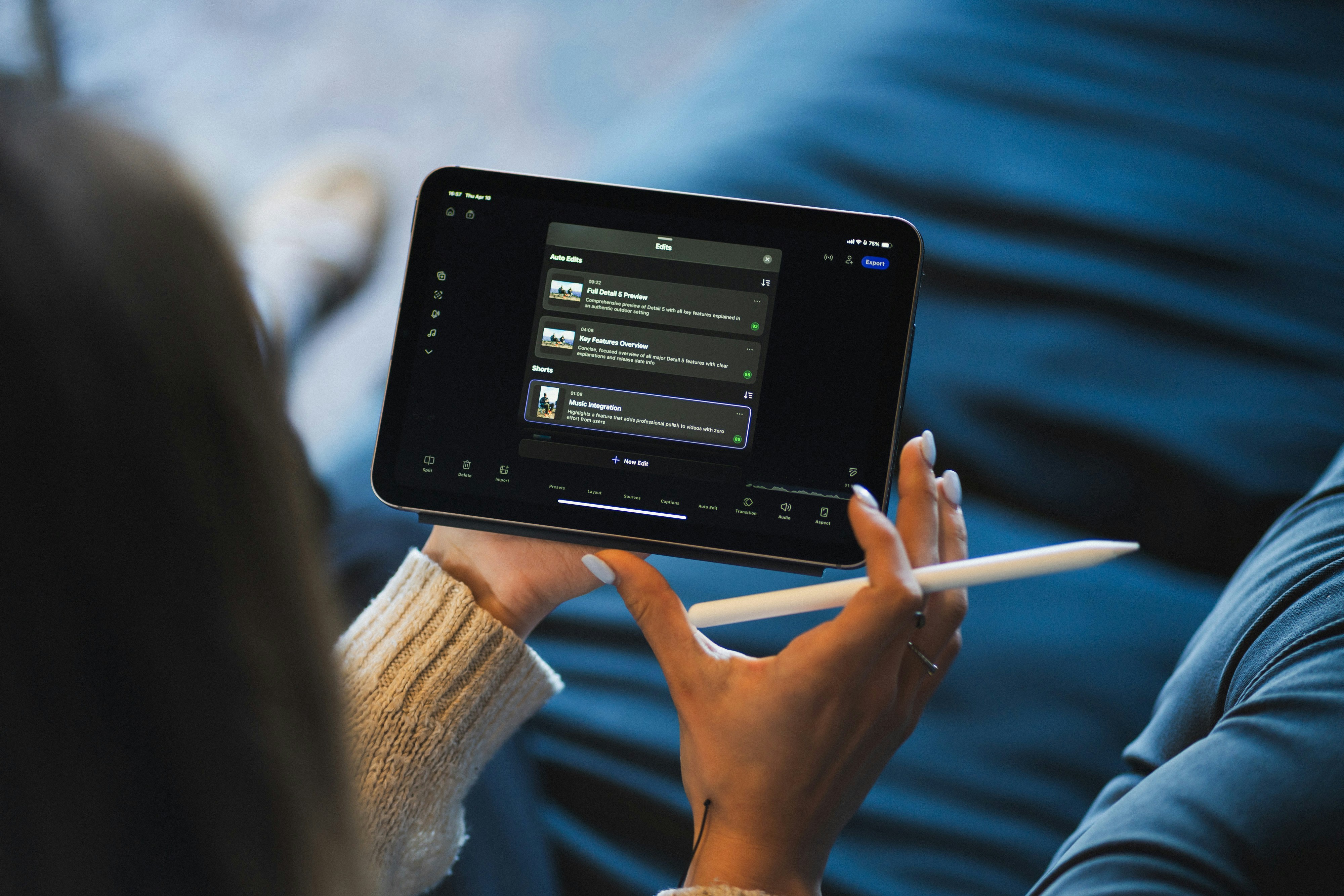
AI productivity advice tends to follow a predictable pattern. It promises dramatic efficiency gains, faster workflows, and near-frictionless automation. Articles and tutorials often present clean, linear systems where AI tools slot neatly into existing processes and immediately generate results. But real workplaces do not operate in clean diagrams. They are…
-
 Continue reading →: The Small Workflow Changes That Make AI Actually Useful at Work
AI workflow productivity is often discussed in terms of dramatic transformation, but there’s a persistent mismatch between how AI tools are marketed and how they actually function inside real workplaces. Improving AI workflow productivity depends less on new tools and more on how small adjustments reshape everyday processes. Most discussions…
-
 Continue reading →: Where AI Actually Saves Time at Work (And Where It Doesn’t)
AI is often described as a universal productivity booster. This article examines where AI saves time at work, and just as importantly, where its limits still shape everyday productivity. In theory, it should make every part of work faster: writing, planning, communication, research, and execution. But in practice, most people…
-
 Continue reading →: The Human Bottlenecks That Stop AI From Improving Productivity
These human bottlenecks in AI productivity explain why faster tools often fail to deliver meaningful improvements in how work actually gets done. AI tools are getting faster, cheaper, and more capable every month. They can write, summarise, plan, automate, and generate ideas in seconds. On paper, this should translate into…
-
 Continue reading →: Why AI Productivity Gains Take Longer Than People Expect
AI is often sold as an instant upgrade to how we work. Faster writing.Smarter planning.Automations that quietly remove hours of effort from the day. So when people adopt AI tools and don’t feel dramatically more productive within a few weeks, frustration sets in. The tools work. The demos are impressive.…
-
 Continue reading →: Why AI Adoption Stalls After the First Few Weeks
The first week with AI usually feels great. There’s curiosity, experimentation, and that brief sense that something fundamental is about to change. Tasks feel lighter. Ideas come faster. Work seems smoother — at least for a moment. These AI adoption challenges rarely show up in demos, but they explain why…
-
 Continue reading →: Why Faster AI Tools Don’t Actually Make Work Move Faster
Many AI productivity tools promise faster output, but that speed rarely translates into work actually moving faster. Speed is the promise that sells AI. Everything is “instant.”Drafts appear in seconds.Summaries arrive before you’ve finished thinking the question through.Automations fire without friction. And yet, for a lot of people, work doesn’t…
Welcome to AI Productivity Pro

At AI Productivity Pro, we believe that artificial intelligence should be simple, accessible, and practical. This site is dedicated to teaching you how to use AI for learning, productivity, and personal growth.
Here you’ll find:
- Clear guides that explain AI concepts in everyday language
- Tutorials on how to apply AI to your studies, career, and creative projects
- Insights into the future of AI in education and work
- Practical tips to build smarter habits with AI tools
Our mission is to make AI less intimidating and more useful. Whether you’re a beginner exploring AI for the first time or someone looking to sharpen your skills, AI Productivity Pro is here to guide you every step of the way.
Categories
Join the fun!
Stay updated with our latest tutorials and ideas by joining our newsletter.
Recent posts
